
×
How Custom Packaging Can Supercharge Your Product Launch

How Custom Packaging Can Supercharge Your Product Launch

November 15, 2024

In the fields of retail and online shopping how your products are showcased holds as much weight, as the products themselves. Your merchandise takes stage. The way it’s presented can truly set it apart. Picture your packaging as a grand performance stage. To us at BlueRose Packaging custom packaging transcends beyond cardboard boxes. It serves as a brands impression establishes a connection with customers and, above all else plays a pivotal role in your products triumph. This book explores the impact of customized packaging on improving the unpacking process and building connections, with customers while also conveying your brands narrative and safeguard against damage, to your product. The Role of Custom Packaging in Product Launches Custom packaging has become a game-changer for brands. Gone are the days when packaging was simply a protective layer for shipping. Today, it’s a statement. It speaks to your brand values, communicates quality, and sets you apart from competitors. When done right, custom packaging can: Enhance Brand Recognition: Your logo, colors, and messaging on the box help customers instantly recognize your brand. Create a Memorable Unboxing Experience: Unique packaging elements add excitement, building customer loyalty and encouraging social shares. Boost Product Protection: Well-designed custom packaging…

Read more


The Key Differences and Overlaps between Industrial Packaging and Consumer Packaging

The Key Differences and Overlaps between Industrial Packaging and Consumer Packaging

October 16, 2024

Packaging is essential to protecting and delivering products safely. Whether it’s shipping heavy machinery or a smartphone, the right packaging makes all the difference. But not all packaging is created equal. In fact, industrial packaging and consumer packaging serve very different purposes. Let’s dive into what sets them apart and how they’re similar. What is Industrial Packaging? Industrial packaging is built for heavy-duty tasks. It’s used to store, protect, and transport large quantities of goods, often over long distances or in challenging environments. Think of packaging for machinery parts, automotive components, or bulk chemicals. The focus here is on durability—materials like reinforced corrugated boxes, wooden crates, and protective foam are commonly used to make sure products arrive safely. What is Consumer Packaging? Consumer packaging is the packaging you’re used to seeing on store shelves. It’s designed to catch your eye and make the product appealing while also providing protection. From food to electronics, consumer packaging focuses on branding and convenience. Materials like lightweight cardboard or plastic are often used, and the design is all about presentation. Key Differences between Industrial and Consumer Packaging Aspect Industrial Packaging Consumer Packaging Materials Heavy-duty materials like corrugated cardboard, wooden pallets, and shrink wrap. Lighter…

Read more
Creating Custom Product Packaging That Makes an Impact for B2B Businesses

Creating Custom Product Packaging That Makes an Impact for B2B Businesses

October 15, 2024

In the B2B world, packaging plays a vital role in creating lasting impressions. It’s not just about securing products during delivery, it’s a powerful tool to enhance your brand, communicate professionalism, and set your business apart. Custom product packaging can make your company memorable and build a stronger connection with your clients. Understanding Your Audience The first step in designing impactful packaging is knowing your audience. B2B customers prioritize functionality and reliability. Your packaging should reflect these values by ensuring that the products are protected while showcasing the quality of your brand. Packaging for industrial parts may focus on durability, while retail-ready products might emphasize visual appeal. At BlueRose Packaging, we offer custom printed boxes tailored to meet the specific needs of your audience, ensuring that your packaging aligns with your brand identity and resonates with your customers. Consistency in Brand Identity Every element of your custom packaging is an opportunity to reinforce your brand identity. Using consistent logos, colors, and messaging across all packaging ensures your brand becomes instantly recognizable. This consistency builds trust and familiarity with your clients, especially when shipping large or frequent orders. Sustainability Matters Eco-friendly packaging is more than a trend—it’s a priority for many…

Read more
Your Step-by-Step Guide to Creating Custom Packaging for Your Business

Your Step-by-Step Guide to Creating Custom Packaging for Your Business

October 14, 2024

Ready to take your brand’s packaging to the next level? Whether you’re launching a new product or upgrading your packaging, creating custom packaging is a game-changer for your business. This guide will walk you through everything you need to know to prepare for your first custom packaging project. Let’s dive in! Define Your Custom Packaging Needs Before you jump into design, it’s important to clarify what you need from your packaging. What products are you packaging? What are the key functions — protection, aesthetics, branding, or sustainability? Understanding these factors will help you create a tailored packaging solution. At BlueRose Packaging, we help you define your packaging needs by considering product dimensions, weight, fragility, and shipping requirements. Let’s get started on a solution that’s just right for you!   Consider Your Design Options Your packaging design is the face of your brand. Have fun with it! Think about how your colors, logo, and messaging will come together. Here’s what to consider: Branding and Messaging: Your packaging should communicate your brand’s identity clearly. What story do you want to tell? Color Scheme: Colors evoke emotions and reactions. Choose a color palette that aligns with your brand and appeals to your target…

Read more
The Ultimate Guide to Cardboard Boxes: Choosing the Right Packaging for Your Needs

The Ultimate Guide to Cardboard Boxes: Choosing the Right Packaging for Your Needs

October 1, 2024

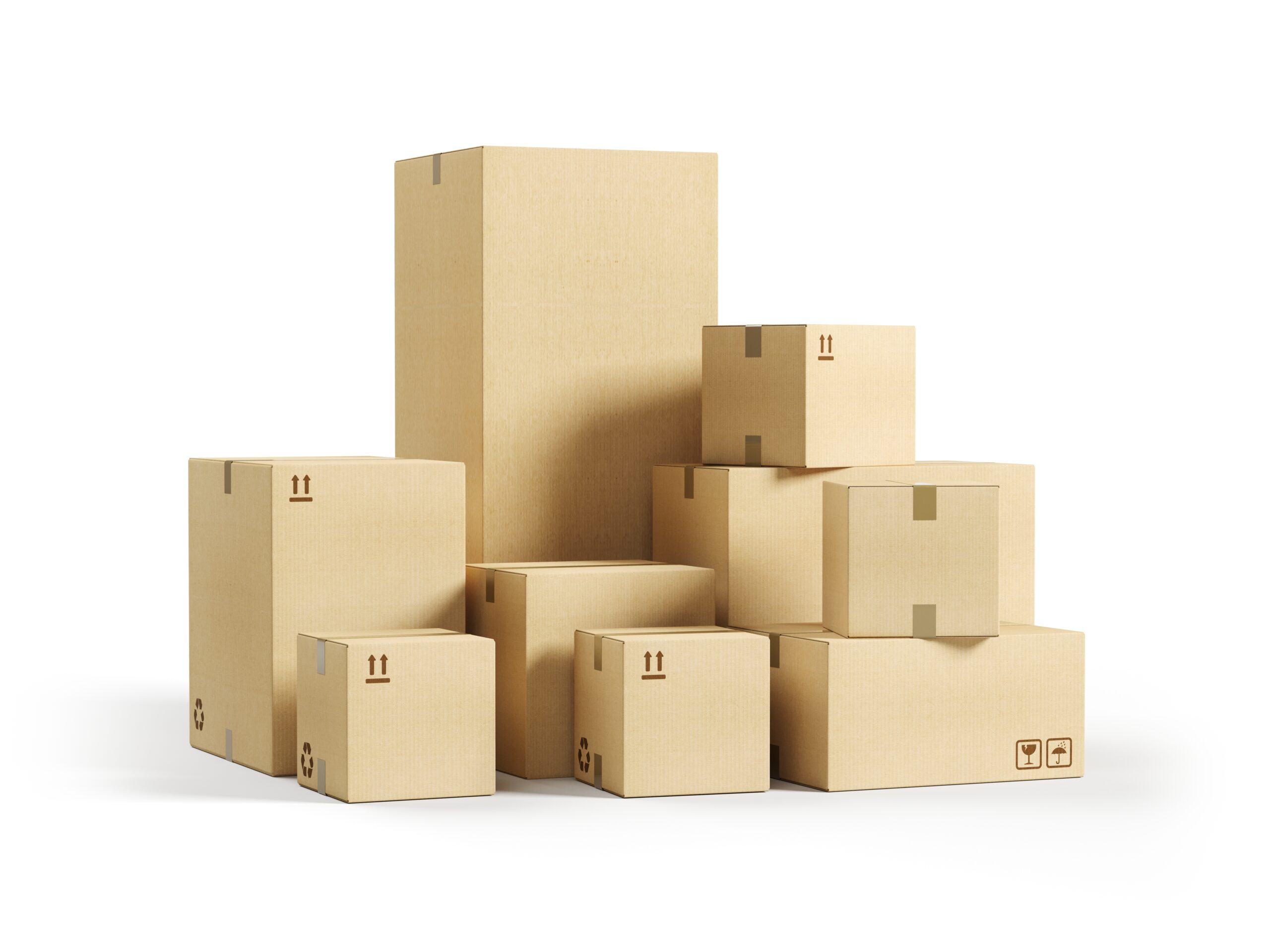
Cardboard boxes are the unsung heroes of the packaging world, playing a crucial role in our everyday lives. Whether you’re shipping products, storing items, or creating eye-catching displays, understanding the different types of cardboard boxes can make all the difference. In this guide, we’ll take a friendly look at the history of cardboard boxes, explore the various styles available, and highlight their applications across different industries. A Brief History of Cardboard Boxes Believe it or not, cardboard boxes have been around for quite a while! The journey began in the early 19th century when the first corrugated cardboard was patented in England in 1817. Back then, it was used mainly for hats and other fancy items. Fast forward to the mid-1800s, and corrugated cardboard started gaining traction for shipping, thanks to its lightweight yet sturdy nature. The first cardboard box specifically designed for shipping came into play in the U.S. in 1890, setting the stage for the packaging evolution we see today. Since then, cardboard boxes have become essential in shipping and storage, making our lives a little easier. What Are Cardboard Boxes? So, what exactly are cardboard boxes? They primarily craft them from corrugated cardboard by sandwiching a wavy…

Read more
FOL vs. RSC Boxes: Comparing the Top Contenders in Corrugated Boxes

FOL vs. RSC Boxes: Comparing the Top Contenders in Corrugated Boxes

September 30, 2024

When selecting packaging for your business, two of the most popular corrugated box styles you’ll come across are Full Overlap Slotted Containers (FOL) and Regular Slotted Containers (RSC). Both have their strengths, but how do you know which one is right for your product? Let’s break down their features, uses, and advantages in this comprehensive guide. What Are Corrugated Boxes? Corrugated boxes are made from corrugated cardboard, a material constructed with fluted paper between two liners. This unique design provides excellent strength and protection, making it ideal for shipping, storage, and packaging goods. Corrugated boxes come in various styles and types, offering different levels of durability based on your packaging needs. They are widely used across industries due to their cost-effectiveness, recyclability, and strength. In addition to their structural benefits, corrugated boxes are easily customizable, making them perfect for branding and delivering a premium unboxing experience. What Are FOL and RSC Boxes? Regular Slotted Containers (RSC): The most common type of box used across industries. In RSC boxes, the flaps meet in the center, providing ease of assembly and cost efficiency. Learn more about RSCs on our Regular Slotted Container page. Full Overlap Slotted Containers (FOL): In FOL boxes, the…

Read more
Shipping Labels: A Comprehensive Guide for Your Business

Shipping Labels: A Comprehensive Guide for Your Business

September 12, 2024

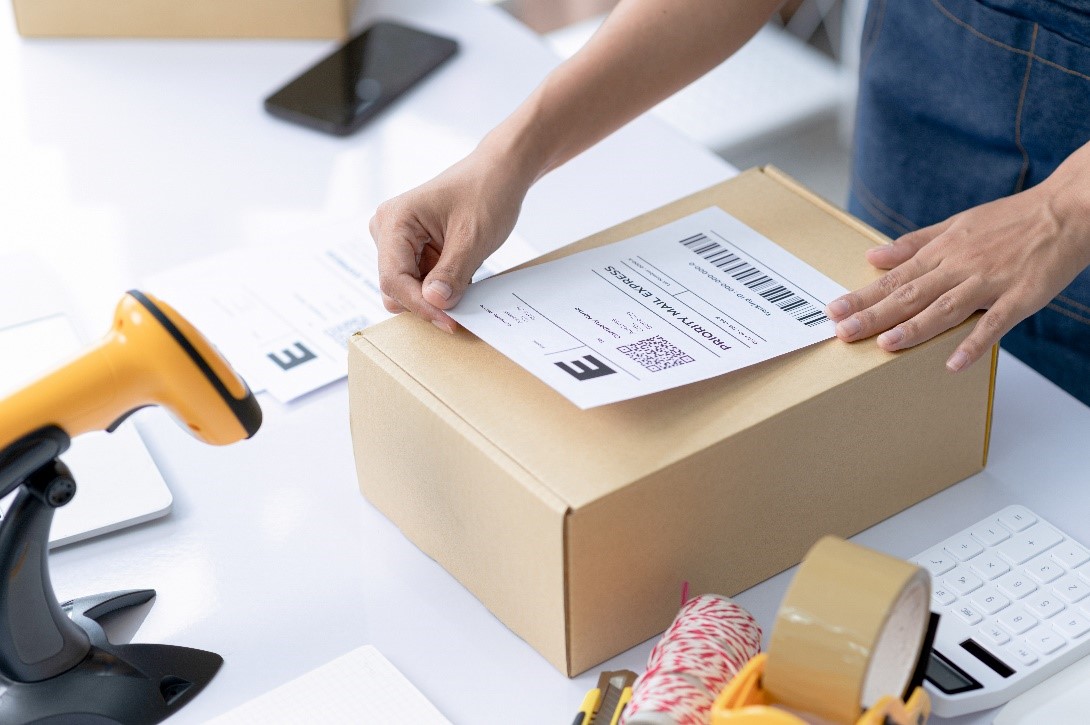
At BlueRose Packaging, we understand that every detail matters when it comes to shipping and packaging. Shipping label might seem like a small component, but they play a crucial role in ensuring your packages reach their destination efficiently and intact. Whether you’re a small business or a large corporation, understanding how shipping labels work is key to optimizing your shipping processes. What is a Shipping Label and What is Its Purpose?   A shipping label is an element in the shipping process acting as a tag that contains all the information about a package. It typically includes details such as the addresses of both the sender and recipient tracking numbers, weight and chosen shipping method. The primary aim of a shipping label is to guarantee that your package reaches its intended destination promptly. It assists carriers like UPS, FedEx and USPS, in routing, tracking and delivering your package to the address without any unnecessary delays. How Do Shipping Labels Work? Shipping labels operate by encoding information that can be easily interpreted by both individuals and automated systems. When you’re getting ready to ship a package you create a label that encompasses all the information. Once the sticker is printed and…

Read more
The Impact of Custom Boxes and Packaging on Business

The Impact of Custom Boxes and Packaging on Business

September 9, 2024

In today’s market, custom boxes go beyond mere product protection; they play a crucial role in shaping customer perceptions and boosting sales. The shift from standard to custom packaging has revolutionized how businesses connect with their clientele. BlueRose Packaging specializes in tailoring custom packaging solutions that not only safeguard your goods but also elevate your brand and make a lasting impact. The Significance of First Impressions First impressions hold significant weight and packaging often serves as the point of contact between a customer and your brand. Custom printed boxes offer an opportunity to create an impression. Crafted packaging can greatly influence consumer perception by establishing a brand identity. When your product is delivered in designed packaging it conveys quality, care and attention to detail, swaying purchasing decisions in your favor. Enhancing Brand Experience The unboxing experience has emerged as an aspect of the customer journey. Customized packaging can turn this moment into an occasion making customers feel valued and appreciated. A designed custom box that mirrors your brands essence can enhance this experience. This emotional connection nurtures brand loyalty. Drives repeat business. Consistent and captivating packaging reinforces your brands image, with every customer interaction. Product Protection and Efficiency Packaging plays…

Read more
The Importance of OSHA Regulations for Wooden Pallets

The Importance of OSHA Regulations for Wooden Pallets

August 1, 2024

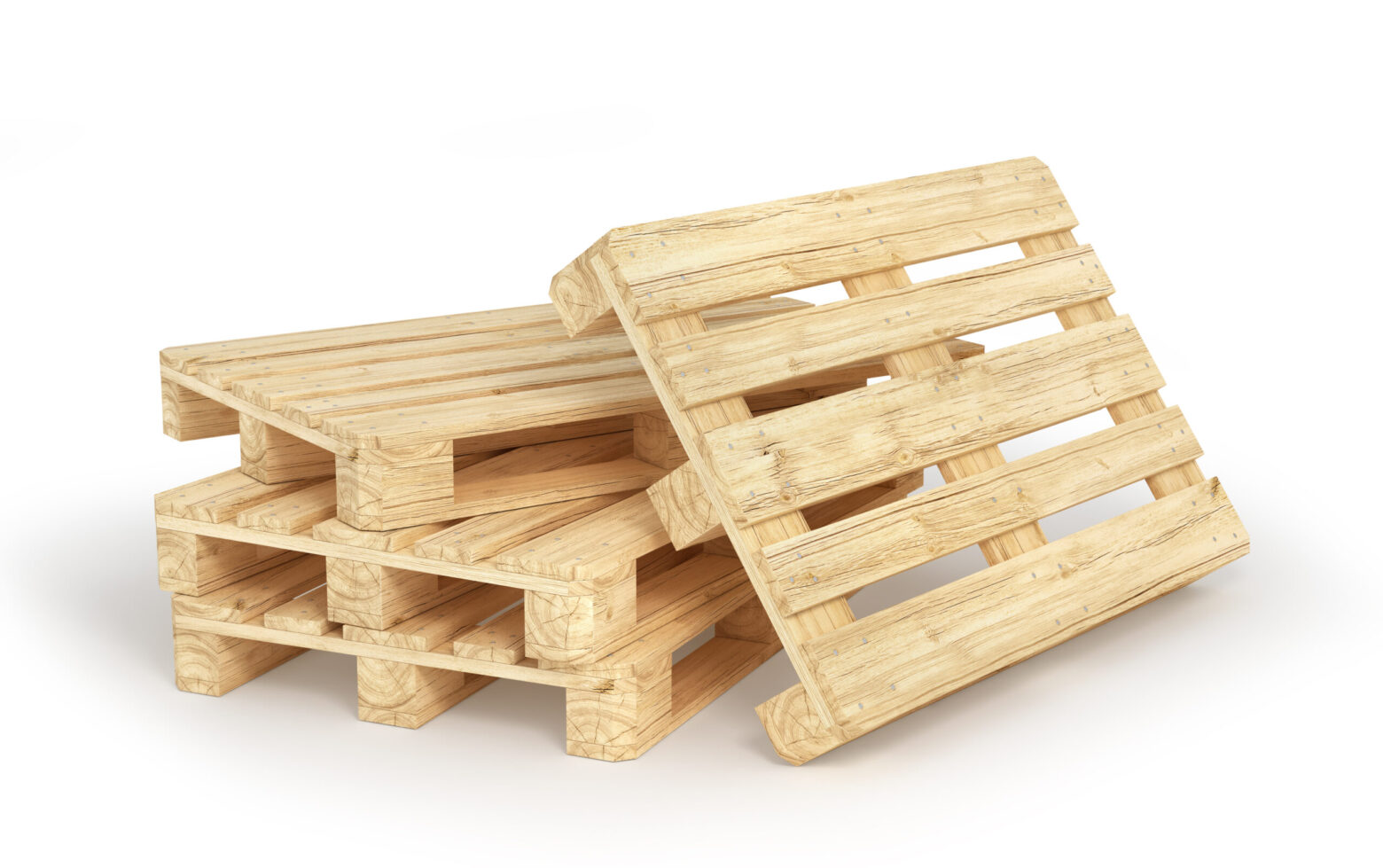
Wood pallets play a role in today’s logistics, serving as tools for transporting and storing goods in different industries. Their flexibility and affordability have made them a top pick for companies globally. Despite their adoption using wood pallets comes with risks and dangers that require strict safety protocols. Occupational Safety and Health Administration (OSHA) offers rules and recommendations to guarantee the handling, storage and utilization of wood pallets ensuring the well being of workers, from harm and mishaps. Let’s understand the importance of OSHA regulations for wooden pallets, exploring their impact on workplace safety, compliance, and overall operational efficiency. Understanding Wooden Pallets Types and Uses Wooden pallets are primarily used for transporting and storing goods. They come in various sizes and types, including stringer pallets and block pallets, each suited for different applications. Stringer pallets have boards (stringers) running between the top and bottom deck boards, while block pallets use cylindrical posts (blocks) for support, providing greater strength and durability. Common Hazards Despite their utility, wooden pallets pose several hazards: Splinters and Sharp Edges: Poorly maintained or damaged pallets can cause splinters and cuts. Load Shifting: Improper stacking or handling can lead to load instability, risking collapse and injury. Structural…

Read more
A Deep Dive into the World of Bubble Wrap and Its Uses

A Deep Dive into the World of Bubble Wrap and Its Uses

July 24, 2024

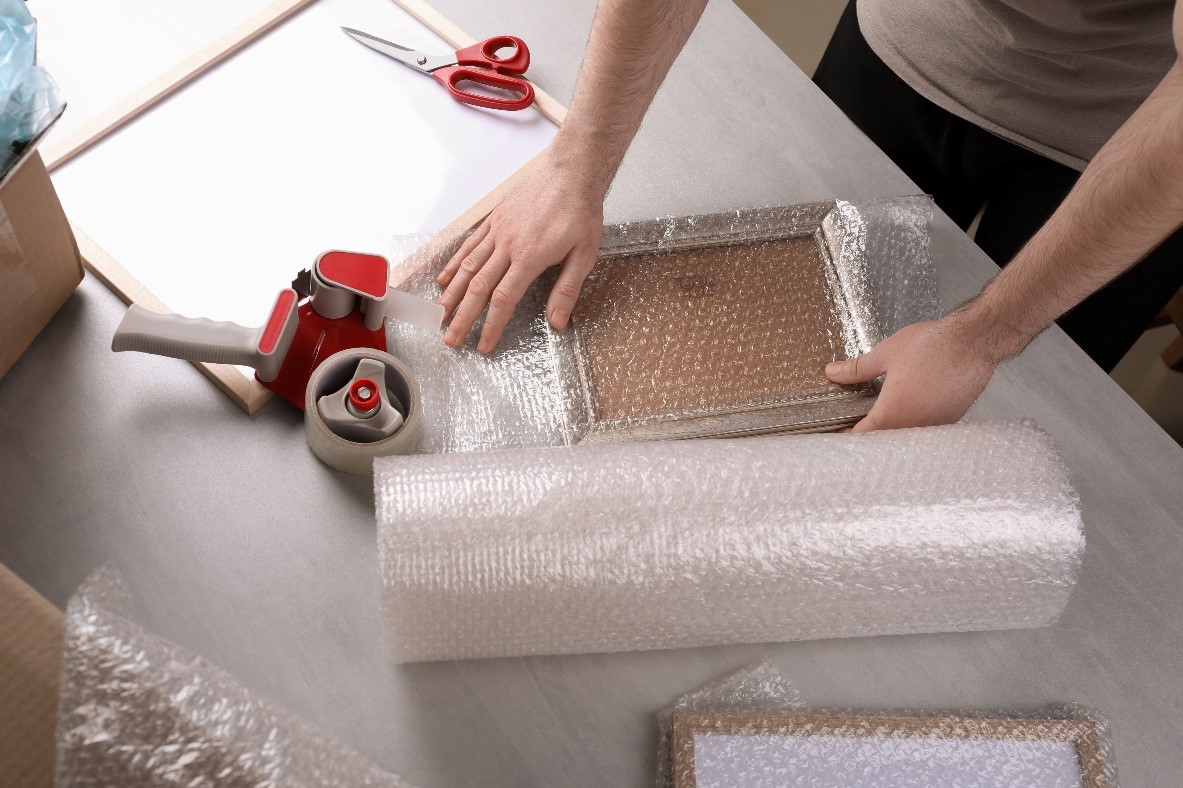
Bubble wrap is more than just a source of satisfying pops and stress relief. It serves as a vital protector for items traveling from warehouse to doorstep. In this blog post, we delve into bubble wrap’s fascinating history, its various applications, and the science that makes it so effective. A History of bubble wrap: From Wallpaper to Packaging Powerhouse Believe it or not, bubble wrap wasn’t always destined for the world of shipping. In 1957, engineers Alfred Fielding and Marc Chavannes were actually trying to create a textured wallpaper! While the wallpaper market wasn’t impressed, their invention’s potential for cushioning soon became clear. By 1960, bubble wrap, then called “Air Cap”, found its true calling as a revolutionary packaging material. What Makes Those Bubbles Pop? Modern bubble wraps are typically constructed from a thin layer of plastic film, most commonly polyethylene or nylon. Air-filled bubbles are then formed by heat-sealing two layers of film together. The size and density of these bubbles determine the level of protection offered. Here’s where things get interesting: the type of plastic used and the bubble size impact the wrap’s properties. Polyethylene offers superior flexibility and is generally the most affordable option. Nylon, on the…

Read more