×
Navigating the World of Industrial Packaging: A Comprehensive Guide

Navigating the World of Industrial Packaging: A Comprehensive Guide

March 6, 2024

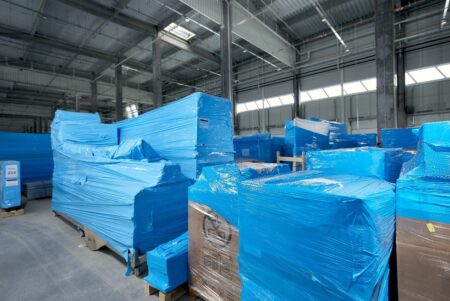
Industrial packaging plays a crucial role in safeguarding goods during transportation, storage, and distribution across various industries. From heavy machinery to delicate electronics, industrial packaging encompasses a wide range of products and materials designed to meet specific requirements. In this guide, we’ll explore the fundamentals of industrial packaging, including its types, materials, differences from consumer packaging, usage scenarios, innovations, and how to choose the right industrial packaging partner.   What is Industrial Packaging? Industrial packaging refers to the specialized packaging solutions used for transporting, protecting, and storing industrial goods and products. Unlike consumer packaging, which is typically designed for retail display and individual consumption, industrial packaging is tailored to meet the unique demands of commercial and industrial applications.   Types of Industrial Packaging: Drums and Barrels: These are commonly used for storing and transporting liquids, powders, and granular materials. Pallets and Skids: Pallets provide a stable base for stacking and moving heavy loads, while skids offer similar functionality but with a simpler design. Boxes and Crates: These containers come in various sizes and materials, providing protection for a wide range of goods during shipping and storage. Flexible Bags: Flexible bags, such as liners and bulk bags, are used for storing…

Read more
Protecting Your Valuables: The Ultimate Guide to Bubble Pouches

Protecting Your Valuables: The Ultimate Guide to Bubble Pouches

March 1, 2024

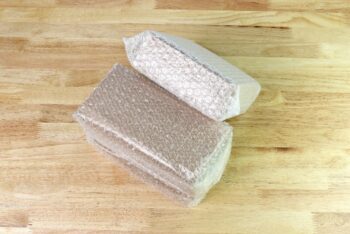
In the realm of shipping and storage, ensuring the safety of your valuables is of utmost importance. Whether you’re sending fragile items through the mail or storing precious possessions, proper packaging is crucial. One solution that has gained popularity for its effectiveness is the bubble pouch. In this guide, we’ll explore everything you need to know about bubble pouches and why they’re a top choice for safeguarding your belongings. Bubble Pouches: What Are They Exactly? These pouches are protective packaging materials designed to shield delicate items from damage during transit or storage. They consist of a layer of plastic film with air-filled bubbles, creating a cushioning effect that absorbs shocks and impacts. These pouches come in various sizes and configurations to accommodate different items, from small electronics to fragile glassware. Optimal Usage Scenarios for Bubble Pouches Shipping Fragile Items: When shipping delicate goods, such as electronics, ceramics, or glassware, bubble pouches provide an extra layer of protection against bumps and jostles during transit. The cushioning effect of the bubbles helps minimize the risk of damage, ensuring your items arrive at their destination intact. Packing for Storage: Whether you’re storing items in a warehouse or your garage, bubble pouches can help…

Read more
The Advantages of Heat Treated Crates: The Ultimate Guide to Safe and Efficient Packaging

The Advantages of Heat Treated Crates: The Ultimate Guide to Safe and Efficient Packaging

February 16, 2024

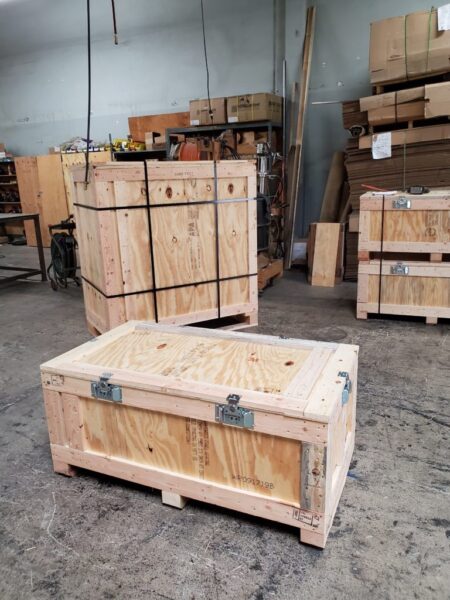
In today’s fast-paced world, safe and efficient packaging is crucial in various industries to ensure optimal product quality and protection. Among the numerous packaging options, heat-treated crates are an increasingly popular choice due to their many advantages. In this post, we’ll explore the benefits of heat-treated crates, their applications, and examine the heat-treated crate market in the USA. Understanding Heat Treatment Heat treatment is a process that involves subjecting wood to high temperatures to eliminate pests and pathogens. In the context of crates, this process adds a layer of durability and protection, making them a preferred choice for international shipments. Compliance with ISPM 15 regulations ensures global acceptance.  Advantages of Heat Treated Crates The primary benefits of using heat-treated crates in packaging can be grouped into three main categories: enhanced product safety and protection, compliance with international regulations, and cost-effectiveness and sustainability. Enhanced Durability and Strength: Heat-treated crates exhibit heightened resistance to wear and tear, guaranteeing the safe arrival of your cargo at its destination. Increased durability ensures longevity, making heat-treated crates a cost-effective and reliable choice for various shipments. Protection against Pests and Pathogens: The heat treatment process serves as a robust defense, eradicating the risk of transporting unwanted…

Read more
Polyethylene Foam: A Packaging Marvel for the Modern Era

Polyethylene Foam: A Packaging Marvel for the Modern Era

February 12, 2024

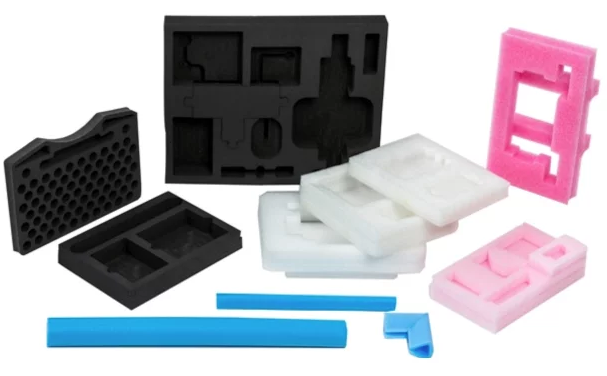
In the dynamic world of packaging materials, polyethylene foam, a flagship offering from BlueRose Packaging, emerges as a versatile and indispensable player. This lightweight and resilient material have gained immense popularity across industries for its myriad applications and unique properties. Understanding Polyethylene Foam   What is Polyethylene Foam? Polyethylene foam, or PE foam, is a closed-cell material derived from ethylene polymerization. This results in a durable, lightweight, and flexible foam with diverse applications. Its closed-cell structure offers resilience, making it ideal for protective packaging, insulation, sports equipment, and automotive uses. Polyethylene foam stands as a versatile solution, showcasing durability, flexibility, and adaptability in various industries. Key Properties of Polyethylene Foam: Discover the exceptional qualities that make PE foam an indispensable packaging material. Lightweight: Despite its durability, polyethylene foam maintains an impressive lightweight profile, making it an exceptional choice for industries where weight plays a crucial role. This feature is particularly advantageous in applications where minimizing overall weight is a priority, such as in aerospace or automotive packaging. Shock Absorption: The closed-cell structure of PE foam not only contributes to its lightweight nature but also provides unparalleled shock absorption capabilities. This makes it an ideal material for safeguarding delicate or fragile…

Read more
A Comprehensive Guide to International Shipping Crates: Unlocking Borders

A Comprehensive Guide to International Shipping Crates: Unlocking Borders

February 1, 2024

Embarking on international shipping presents a myriad of challenges and considerations, with the foundational aspects of crate regulations serving as a compass through the complexities. In this comprehensive guide on international shipping crates , we dissect key elements, from understanding crate dimensions and materials to navigating customs with precision. As we navigate the intricate landscape of international shipping, the spotlight is also on the imperative “Bug Stamp” and the proactive measures exemplified by companies like BlueRose Packaging in preparing for inspections. Let’s unlock the borders and delve into the intricacies of international shipping crates.   Understanding Crate Dimensions and Materials While there are no strict and rigid rules regarding cargo height and weight limits, shipping companies often necessitate prior approval permits for the following scenarios: Cargo exceeding 70 inches in height Cargo surpassing 119 inches in length Cargo wider than 80 inches Cargo with a weight exceeding 2,200 pounds To facilitate smooth shipping and handling, it is advisable for your cargo to be placed on a pallet or skid with a minimum clearance of 3.5 inches. This ensures that the cargo can be easily lifted using a forklift or pallet jack. Crates equipped with built-in pallets are particularly advantageous for…

Read more
The Ultimate Guide to Custom Mailer Boxes

The Ultimate Guide to Custom Mailer Boxes

January 30, 2024

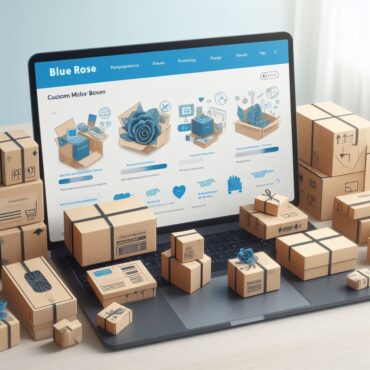
In the vast world of e-commerce, where first impressions are made long before a customer interacts with a product, the role of mailer boxes is pivotal. Beyond being mere containers, these boxes are essential in shaping your brand identity and offering customers an unboxing experience that lingers in their memory. Building Your Brand with Mailer Boxes: Custom mailer boxes are not just a means to an end; they’re a reflection of your brand. The box that arrives on a customer’s doorstep is a tangible representation of your identity. From color schemes to logos, every detail matters. It’s not just packaging; it’s a statement—an introduction to what your brand represents.   What to look for in a Mailer Box? When selecting mailer boxes for your e-commerce venture, several factors deserve attention. Paper Grades: The choice of paper grade affects both the aesthetics and durability of the box. From the sturdiness of corrugated cardboard to the sleekness of Kraft paper, each grade contributes to the overall feel of the package. Closures: How your box stays shut matters. Whether it’s adhesive strips, interlocking flaps, or custom seals, the closure method not only ensures the safe transit of your product but also adds to…

Read more
Fortifying Your Shipments: The Role of Double Wall Boxes in Safe Shipping

Fortifying Your Shipments: The Role of Double Wall Boxes in Safe Shipping

January 23, 2024

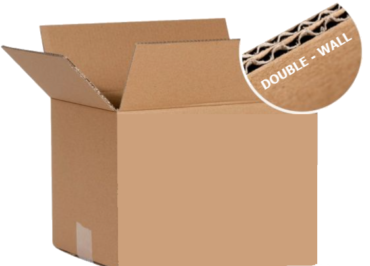
In the realm of shipping and packaging, the strength and reliability of containers are paramount. Enter double wall boxes, the unsung heroes designed to safeguard your goods during transit. Today, we’ll embark on a journey through the world of double wall boxes, unraveling their construction, applications, and the nuances of when to opt for this robust packaging solution.   What is a Double Wall Box? At its core, a double wall box is a packaging marvel featuring two layers of corrugated cardboard. This design is more than just cardboard; it’s a dynamic shield that ensures added protection for your valuable items. Picture it as a sturdy fortress, ready to guard your goods against the unpredictable journey they embark upon. When to Use Double Wall Boxes? When delicacy meets weight, double wall boxes come into play. Fragile or heavy items, prone to damage during shipping, find a reliable companion in these robust containers. The added strength and insulation make double wall boxes the go-to choice for situations where protection is not just a preference but a necessity. When to Avoid Double Wall Boxes? However, a nuanced approach is key. For lighter items or situations where cost efficiency is paramount, opting for…

Read more
Exploring the Realm of Industrial Cardboard Boxes: Your Complete Guide

Exploring the Realm of Industrial Cardboard Boxes: Your Complete Guide

January 17, 2024

Industrial cardboard boxes are the unsung heroes of the logistics and shipping world. They come in various shapes and sizes, but their purpose is clear: to protect, store, and transport goods efficiently. In this comprehensive guide, we’ll dive deep into the world of industrial cardboard boxes, exploring their types, manufacturing processes, sustainability, and the vital role they play in modern commerce.   The Anatomy of Industrial Cardboard Boxes   Understanding the Structure: Single-wall vs. Double-wall vs. Triple-wall When it comes to industrial cardboard boxes, one size certainly does not fit all. These boxes vary in structural design, with single-wall, double-wall, and triple-wall options. Single-wall boxes are lightweight and suitable for most applications, while double-wall and triple-wall boxes offer enhanced durability and stacking strength. Flutes and Their Significance: A, B, C, E, and F Flutes The flutes in cardboard boxes are the corrugated layers that provide strength and cushioning. Understanding the different flute types, such as A, B, C, E, and F, is crucial for selecting the right box for your needs. Thicker flutes offer more protection, while thinner ones are ideal for lightweight items. Common Box Styles: RSC, FOL, HSC, and More There’s more to cardboard box styles than meets…

Read more
Poly Bags: Your Guide to Versatility and Value

Poly Bags: Your Guide to Versatility and Value

January 15, 2024

Poly bags, often overlooked, play a vital role in safeguarding your shipments and ensuring that every item reaches its final stop unharmed. Join us on this journey as we explore the remarkable impact of poly bags, a silent yet essential partner in the seamless shipping experience. Types of Poly Bags: Tailored Solutions for Every Packaging Need When it comes to packaging, one size doesn’t fit all. At BlueRose Packaging, we recognize the diverse needs of our customers, and that’s why we offer a range of poly bags designed to suit your unique requirements. Clear Poly Bags: For those who want their products to take center stage, our clear poly bags offer a brilliant solution. Providing a protective layer while allowing a clear view of the contents, these bags transform your packaging into a visual showcase. From clothing to delicate items, our clear poly bags add a touch of transparency that not only protects but also enhances the presentation. Resealable Poly Bags: If you value accessibility and secure closure, our resealable poly bags are the answer. These bags aren’t just about a one-time seal; they allow your customers to open, inspect, and reseal the package. This feature not only maintains the…

Read more
From Print to Package: A Comprehensive Guide to Shipping Labels in 2024

From Print to Package: A Comprehensive Guide to Shipping Labels in 2024

January 11, 2024

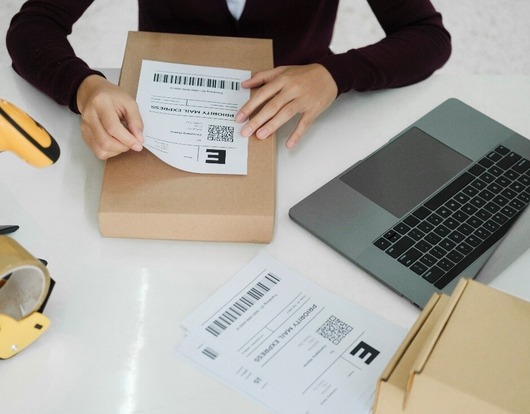
Shipping labels play a crucial role in the logistics and delivery process, serving as a key identifier for packages in transit. In this blog, we’ll delve into the significance of shipping labels, explore various types of printers used for label creation, discuss best practices for effective shipping, break down the essential elements of a shipping label, and explore different methods for label creation. Exploring Types of Shipping Label Printers Inkjet and Laser Printers Inkjet Printers use liquid ink to create images on various surfaces, allowing for versatile color printing capabilities. Pros: Versatility: Inkjet and laser printers are versatile and commonly found in office settings, making them accessible for small businesses. Color Printing: Inkjet printers allow for color printing, enabling the inclusion of branding elements and enhancing label visibility. Affordability: Traditional printers are often more cost-effective for businesses with lower shipping volumes. Cons: Durability: Labels produced by inkjet printers may be susceptible to smudging and damage, especially in humid or wet conditions. Speed: While laser printers are generally faster, inkjet printers might lag in terms of printing speed.   Thermal Printers Thermal Printers utilize heat to produce images on special thermal paper, resulting in efficient and durable monochromatic labels. Pros: Durability:…

Read more